

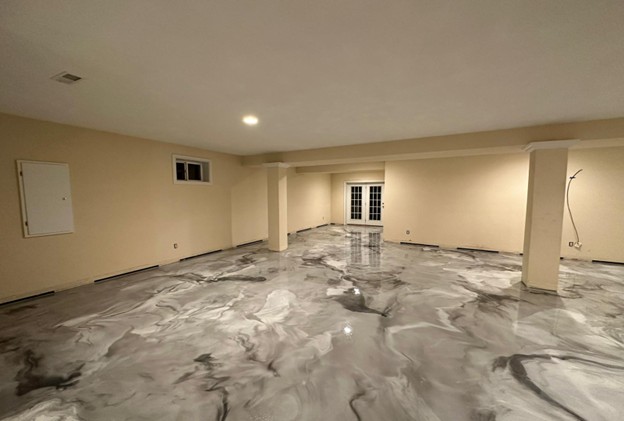
Flooring planning in busy commercial spaces often starts with simple site checks and expectations about traffic levels and cleaning routines that happen every single day in real operations. Many contractors discuss commercial flooring Cincinnati options when clients want something that lasts under pressure and frequent use. Material selection is not random because moisture, heat, and movement all affect performance in different ways across facilities. Early decisions usually shape the final outcome more than people expect in projects.
Installation Worksite Conditions
Installation environments in commercial projects often involve uneven subfloors, moisture testing, and preparation steps that cannot be skipped without risking long-term issues. Contractors working on commercial flooring Cincinnati projects usually spend significant time leveling surfaces before applying final coatings. Humidity and temperature changes can also have an unexpected effect on the electrical bonding throughout the installation block. Careful scheduling makes it easier to reduce downtime for organizations that depend on operations outside of forest protection every day. Small mistakes at certain stages of training often lead to significant improvements later on.
Cleaning Daily Maintenance Needs
Daily cleaning routines play a major role in keeping flooring systems stable and visually consistent across busy commercial environments with heavy foot traffic. Many facility managers prefer polished concrete Cincinnati surfaces because they reduce dust buildup and simplify maintenance schedules. Using harsh chemicals is usually avoided since it can damage protective layers applied during installation. Consistent sweeping and controlled washing methods extend surface life in practical and measurable ways. This reduces long-term repair frequency significantly over time in busy facilities.
Cost and Budget Factors
Budgeting for flooring projects usually starts with fabric comparisons and effort estimates, which vary greatly depending on task size. Many companies review commercial flooring Cincinnati options, which usually precede consistency with long-term durability expectations. Cheaper items occasionally increase incremental maintenance costs later, especially in high-traffic environments that wear out constantly. Accurate forecasting helps avoid unexpected expenses during installation and after project completion phases. Small planning gaps can create financial pressure for operators.
Safety and Slip Control
Safety considerations in commercial areas Recognition of slip resistance and floor drag sometimes in a typical fast-moving imaging environment. Many contractors offer polished concrete Cincinnati finishes because they improve grip while maintaining hygiene. Spill management also plays a big role in reducing workplace accidents in busy facilities. Proper drainage and surface texture choices help control risk levels effectively in real conditions. Regular inspections help identify early wear before problems expand.
Design Look and Finish
Design preferences in modern facilities often include clean, minimal floor finishes that support both aesthetics and function. Some property owners choose the Cincinnati style of polished concrete because they provide an unpretentious look that suits many interiors. The brightness area of the surface can be adjusted depending on the position of the light and the desired visual effect. Color additives and finishing techniques allow customization without reducing structural performance quality. These choices influence how customers perceive commercial environments immediately upon entry.
Long-Term Flooring Value
Long-term performance of flooring systems depends on installation quality, material selection, and maintenance discipline across years of use. Many experts reviewing commercial flooring Cincinnati projects focus on lifecycle value rather than only initial investment costs. Durable floors reduce downtime and support smoother operations in demanding industrial environments over time. Regular upgrades and refinishing extend usability and maintain functional performance across different sectors. Proper planning ensures fewer disruptions during ongoing business activities.
Conclusion
Choosing the right flooring approach in commercial spaces requires steady attention to materials, safety needs, and long-term maintenance planning without rushing decisions that affect future operations. Many facility owners explore resources like kingcustomcoatings.com when comparing flooring systems and understanding modern installation choices. Both polished and coated concrete options continue to play a strong role in improving durability and reducing maintenance pressure across different industries. Careful planning and consistent upkeep create stable environments that support daily business activity and reduce operational stress over time. Contact experienced flooring professionals today to plan your next project effectively.